Physical AI Development Services
Move beyond traditional AI models that only analyze data. With Physical AI, machines can perceive their environment, make autonomous decisions, and perform complex actions in dynamic physical settings. At Edvantis, we combine AI, robotics, computer vision, simulation, and edge computing expertise to help businesses deploy intelligent systems that improve efficiency, safety, quality, and operational performance.
What is Physical AI?
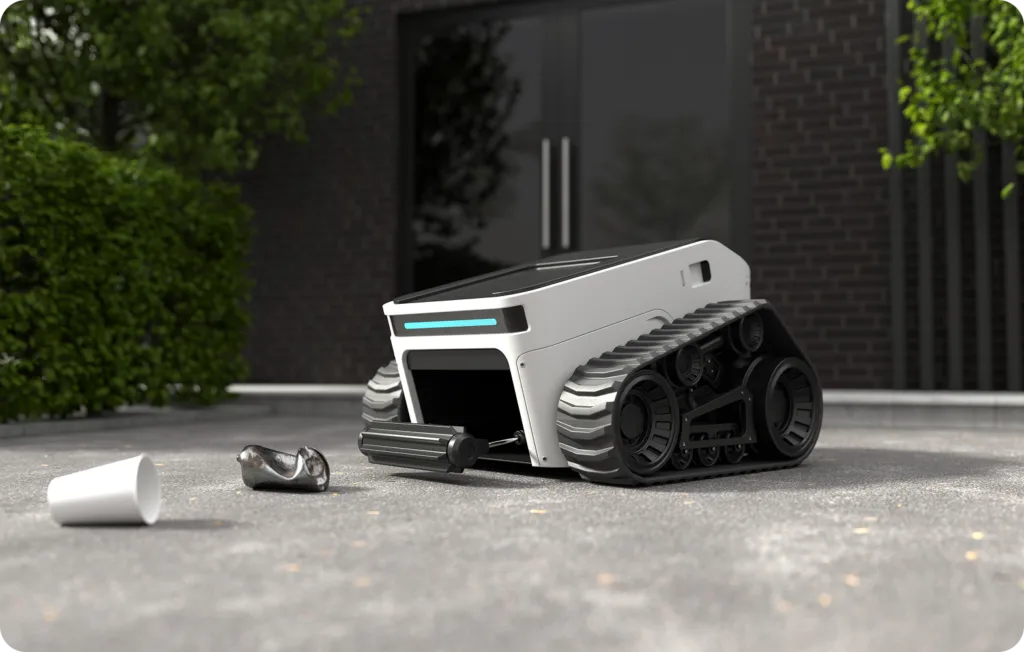
Physical AI is a new generation of artificial intelligence that allows machines to perceive, understand, and interact with the physical world. Unlike traditional AI systems that operate primarily in digital environments, Physical AI combines machine learning, computer vision, sensors, robotics, and edge computing to enable intelligent systems to observe their surroundings, make decisions, and perform actions autonomously.
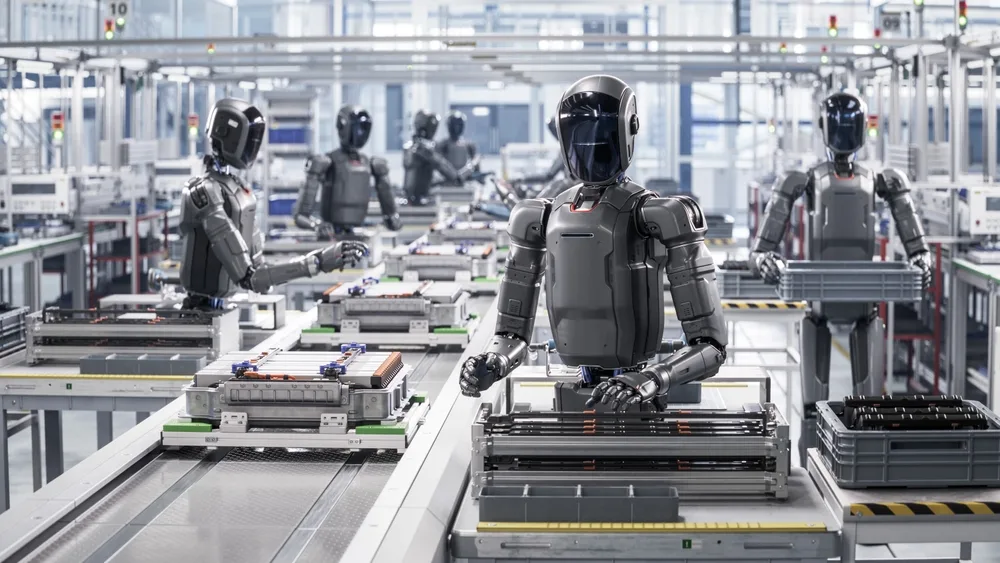
By integrating real-time perception, reasoning, and control, Physical AI powers autonomous robots, smart factories, intelligent vehicles, advanced inspection systems, and connected devices. Organizations use Physical AI to automate complex operations, improve safety, increase efficiency, and create adaptive systems that can respond to changing real-world conditions with minimal human intervention.
Physical AI Use Cases
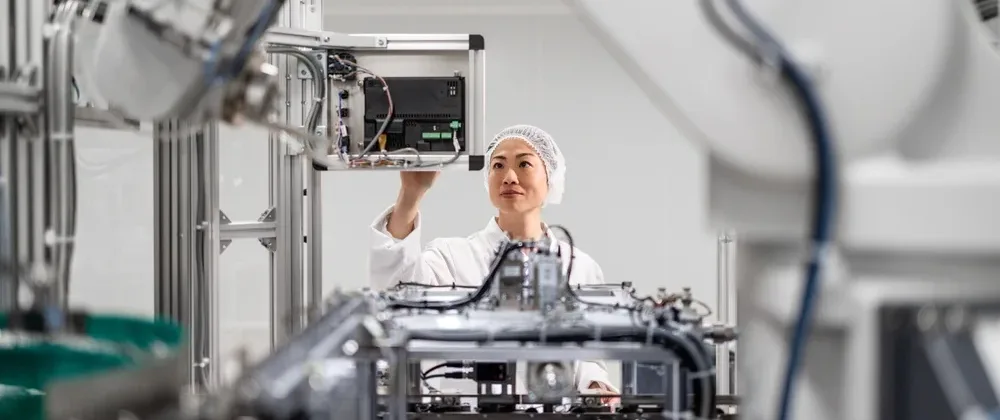
Leverage computer vision, AI, and real-time image analysis to automate inspection processes and improve detection accuracy. Physical AI systems can identify defects, verify product compliance, monitor production quality, and continuously adapt to changing manufacturing conditions. By reducing reliance on manual inspections, organizations can improve consistency, increase throughput, and minimize costly quality issues.
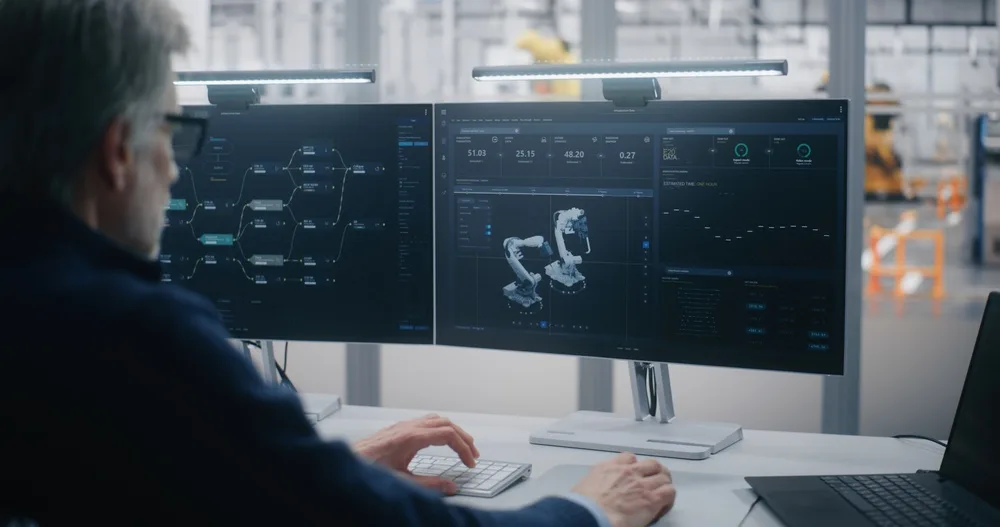
Transform maintenance operations from reactive to proactive with AI-powered monitoring and predictive analytics. By continuously analyzing sensor data, equipment behavior, and operational patterns, Physical AI systems can detect early signs of wear, predict potential failures, and recommend maintenance actions before disruptions occur. This helps reduce downtime, extend asset lifespan, and optimize maintenance costs.
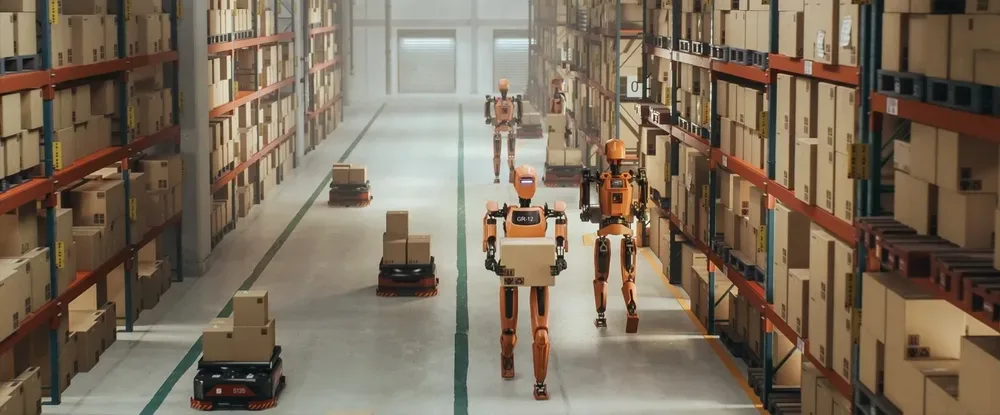
Optimize warehouse performance with intelligent robots, automated guided vehicles (AGVs), autonomous mobile robots (AMRs), and AI-driven orchestration systems. Physical AI enables real-time navigation, inventory tracking, route optimization, and fleet coordination, allowing warehouses to improve order fulfillment speed, increase operational efficiency, and scale logistics operations with minimal human intervention.
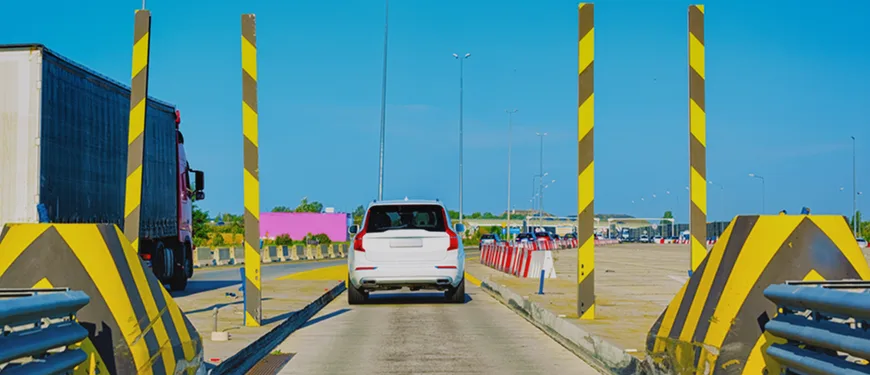
Enhance security operations through intelligent monitoring, automated inspection, and real-time threat detection. Physical AI combines computer vision, sensor fusion, and machine learning to identify suspicious activities, detect safety violations, monitor restricted areas, and support rapid response to potential incidents. Organizations benefit from improved situational awareness and more effective protection of people, assets, and infrastructure.
Enable data-driven agriculture with autonomous monitoring and intelligent field analysis. Physical AI solutions use cameras, sensors, and machine learning models to assess crop health, detect diseases and pests, track field conditions, and optimize resource utilization. Farmers gain actionable insights that improve yield, reduce waste, and support more sustainable agricultural practices.
Automate the inspection of critical infrastructure such as power lines, pipelines, transportation networks, industrial facilities, and renewable energy assets. Physical AI systems leverage robotics, computer vision, and real-time analytics to identify anomalies, assess asset conditions, and detect potential risks before they become critical issues. This improves reliability, reduces operational costs, and enhances worker safety.

Leverage computer vision, AI, and real-time image analysis to automate inspection processes and improve detection accuracy. Physical AI systems can identify defects, verify product compliance, monitor production quality, and continuously adapt to changing manufacturing conditions. By reducing reliance on manual inspections, organizations can improve consistency, increase throughput, and minimize costly quality issues.
Transform maintenance operations from reactive to proactive with AI-powered monitoring and predictive analytics. By continuously analyzing sensor data, equipment behavior, and operational patterns, Physical AI systems can detect early signs of wear, predict potential failures, and recommend maintenance actions before disruptions occur. This helps reduce downtime, extend asset lifespan, and optimize maintenance costs.
Optimize warehouse performance with intelligent robots, automated guided vehicles (AGVs), autonomous mobile robots (AMRs), and AI-driven orchestration systems. Physical AI enables real-time navigation, inventory tracking, route optimization, and fleet coordination, allowing warehouses to improve order fulfillment speed, increase operational efficiency, and scale logistics operations with minimal human intervention.
Enhance security operations through intelligent monitoring, automated inspection, and real-time threat detection. Physical AI combines computer vision, sensor fusion, and machine learning to identify suspicious activities, detect safety violations, monitor restricted areas, and support rapid response to potential incidents. Organizations benefit from improved situational awareness and more effective protection of people, assets, and infrastructure.
Enable data-driven agriculture with autonomous monitoring and intelligent field analysis. Physical AI solutions use cameras, sensors, and machine learning models to assess crop health, detect diseases and pests, track field conditions, and optimize resource utilization. Farmers gain actionable insights that improve yield, reduce waste, and support more sustainable agricultural practices.
Automate the inspection of critical infrastructure such as power lines, pipelines, transportation networks, industrial facilities, and renewable energy assets. Physical AI systems leverage robotics, computer vision, and real-time analytics to identify anomalies, assess asset conditions, and detect potential risks before they become critical issues. This improves reliability, reduces operational costs, and enhances worker safety.

Physical AI represents the next evolution of intelligent systems. Organizations are no longer looking for AI that simply generates insights. They need systems that can observe the physical world, understand context, and take meaningful action. At Edvantis, we help bridge the gap between digital intelligence and real-world execution by combining AI expertise with scalable software engineering and deep industry knowledge.
Stages in Our Physical AI Development Process
We follow a structured, risk-conscious development process that helps organizations move Physical AI initiatives from concept to real-world deployment. Each stage is designed to align technology decisions with business goals, validate system behavior before production, reduce implementation risks, and ensure intelligent systems perform reliably in dynamic physical environments.
-
01Discovery & Feasibility Assessment
We analyze business objectives, operational workflows, automation opportunities, physical environments, available data sources, technical constraints, safety requirements, and expected ROI to define whether Physical AI is the right solution for the use case.
-
02Solution Design
Our experts define the system architecture, AI and computer vision components, sensor and device ecosystem, robotics or automation platforms, edge-to-cloud infrastructure, integration points, and deployment strategy.

-
03Development, Simulation & Validation
We develop AI models, perception systems, control logic, embedded software, digital twins, and simulation environments to test system behavior, validate decision-making, and reduce risks before real-world deployment.

-
04Deployment & Integration
Physical AI solutions are integrated into existing operations, connected with enterprise systems, industrial equipment, sensors, and cloud platforms, and prepared for production use in real operating conditions.
-
05Live Testing, Optimization & Support
We validate Physical AI systems in operational environments, fine-tune performance based on field data, monitor live behavior, improve models and system logic, introduce new capabilities, and provide ongoing maintenance and support.
Industries That Benefit Most from Physical AI Solutions
Let’s build intelligent systems that act in the real world!
What Our Clients Say
Drop Us a Line
About Your Project
Submit the form or get in touch with us by email. You’ll get a response within one business day from an Edvantis expert skilled in your tech stack, industry, or specific business challenge. It would be a pleasure to work with you!
Write an email
engagement@edvantis.com